Author: admin

Snaidero America Opens 13,000 Sq. Ft. Flagship Showroom in Hollywood

Snaidero America Opens 13,000 Sq. Ft. Flagship Showroom in Hollywood

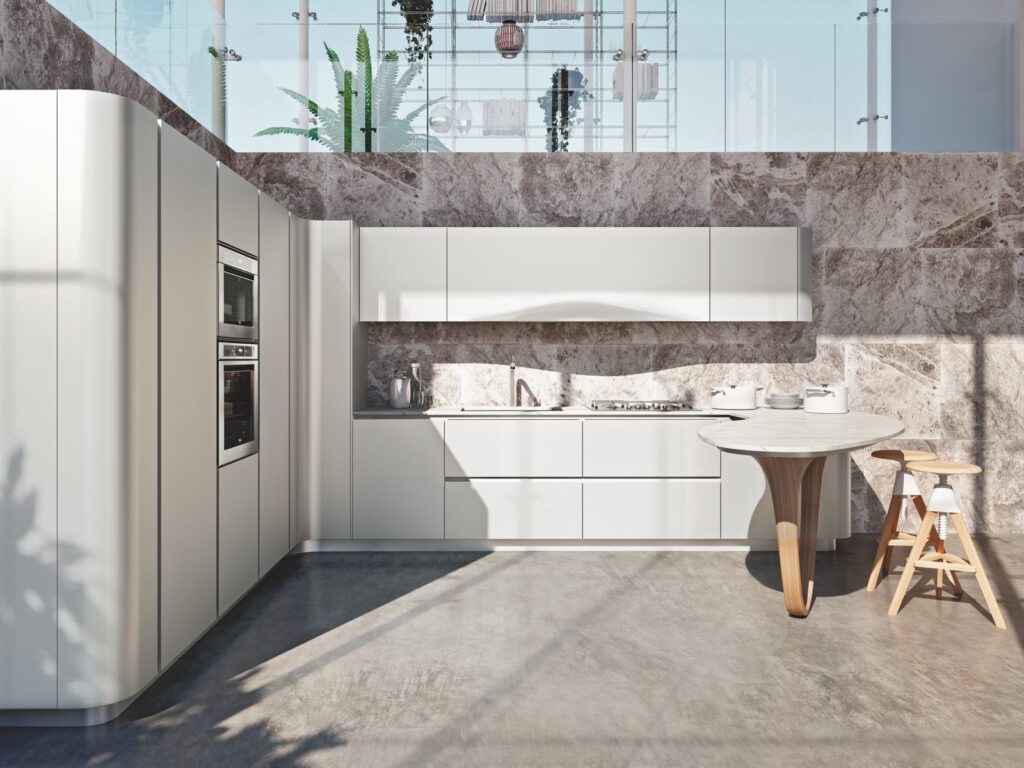
HOLLYWOOD, FLSnaidero America, the North American arm of the iconic Italian kitchen and luxury living brand, today announced that its business growth has significantly exceeded initial projections, marking a major expansion milestone: the opening of a 13,000 square-foot flagship showroom at 2801 Evans Street, Hollywood, Florida. Scheduled to open in late summer 2026, the new free-standing facility will serve as the official headquarters for Snaidero’s operations across the Americas, including its rapidly expanding multi-housing division.

A New Luxury Kitchen Showroom Experience in South Florida

Strategically located in Hollywood, FL, the new Snaidero America flagship showroom is designed to elevate the luxury kitchen and home design experience throughout South Florida and beyond. The space will present a curated selection of state-of-the-art Italian kitchens, custom closets, elegant bathroom vanities, and bespoke millwork solutions, all crafted with the exceptional Italian design heritage that has defined the brand for decades.

This new luxury kitchen showroom in Florida reflects the brand’s long-term investment in the American market and its commitment to delivering high-end, fully integrated design solutions for discerning homeowners, developers, architects, and design professionals.

Headquarters for the Americas and Multi-Housing Division

The Hollywood flagship location will function as the continental hub for Snaidero America’s operations across North, Central, and South America. In addition, the facility will serve as the headquarters for the company’s multi-housing division, supporting developers and real estate professionals seeking turnkey luxury design solutions for residential projects.

By centralizing operations in South Florida, Snaidero America strengthens its ability to coordinate logistics, design services, and strategic partnerships across the region.

A Collaborative Design Hub for Industry Professionals

“Our growth in the Americas has been nothing short of extraordinary, and this new showroom reflects our commitment to bringing world-class Italian design directly to our clients and partners,” said Marco Maset, President of Snaidero America. “We are creating more than a showroom — we are building a vibrant, active hub for home design enthusiasts, professionals, and innovators. Seminars and events will be organized regularly, and this space will become a true center of inspiration and collaboration for the entire design community.”

Marco Maset – President of Snaidero America

The flagship showroom is poised to become a premier destination for interior designers, architects, and general contractors. In a distinctive initiative to encourage collaboration, Snaidero America will offer design professionals complimentary access to the showroom’s refined meeting and event spaces. Visitors will also enjoy a welcoming hospitality experience with complimentary coffee and refreshments, reinforcing the community-driven atmosphere envisioned for the space.

Expanding the Presence of Italian Luxury Design in the United States

The opening of the Hollywood showroom represents a significant step forward in Snaidero America’s strategic growth plan. As demand for high-end Italian kitchen design and custom interior solutions continues to expand throughout the United States and the broader Americas region, the new headquarters strengthens the brand’s leadership position in the luxury home design market.

The 13,000-square-foot facility will not only showcase exceptional craftsmanship but also serve as a dynamic platform for innovation, education, and professional exchange within the design industry.

Dark kitchen design ideas

Dark Kitchen Design ideas: How to Create an Elegant and Timeless Space

A dark kitchen is bold, architectural, and undeniably sophisticated. Yet many homeowners hesitate before embracing deep tones, concerned that the space may feel heavy or impractical. When thoughtfully designed, however, a dark kitchen becomes the true focal point of the home, warm, inviting, and visually powerful.

At Snaidero America, Italian design heritage meets contemporary American living. Our collections demonstrate how rich finishes, precision craftsmanship, and strategic lighting transform dark kitchen concepts into refined, highly functional environments.

1. Layer Texture and Materials to Add Depth

The key to designing a successful dark kitchen lies in avoiding visual flatness. Depth is created not through color contrast, but through contrast in texture and materiality.

Balance Matte and Gloss Finishes

Pair matte lacquer cabinetry with polished quartz or subtly reflective stone countertops. Matte surfaces absorb light and provide softness, while glossy or honed materials introduce dimension. This interplay prevents the kitchen from feeling monolithic.

Introduce Natural Elements

Natural wood accents, whether integrated into cabinetry details, shelving, or flooring, bring warmth and tactile richness. In American open-concept homes, combining dark cabinetry with warm wood flooring creates balance and continuity between the kitchen and living areas.

Refined Metal Details

Hardware, faucets, and profiles in brushed brass, satin stainless steel, or matte black metal add sophistication without overwhelming the palette. These elements subtly catch light and enhance architectural clarity.

2. Design a Strategic and Layered Lighting Plan

Lighting is essential in dark kitchen design. Without it, even the most luxurious materials can appear heavy. With it, textures and finishes become expressive and dynamic.

Ambient Lighting for Overall Balance

Recessed ceiling fixtures provide even illumination across the space. In larger American kitchens, this foundation layer ensures consistency and prevents shadow pockets.

Task Lighting for Performance

Under-cabinet LED lighting is indispensable. It enhances visibility across countertops while emphasizing material textures such as stone veining or ceramic surfaces. Pendant lights above islands provide focused brightness while reinforcing the kitchen’s architectural lines.

Accent Lighting for Visual Drama

Accent lighting inside glass cabinets or along architectural niches introduces subtle drama. Warm light temperatures add intimacy to charcoal or deep gray kitchens, while cooler tones enhance contemporary black finishes.

A layered lighting strategy ensures functionality, safety, and aesthetic refinement.

3. Incorporate Light or Metallic Accents for Contrast

Contrast is essential in dark kitchens. It prevents visual fatigue and enhances spatial perception.

Lighter Backsplashes

A light-toned backsplash in white, soft beige, or pale gray can break up darker cabinetry without compromising elegance. Textured tile or subtle veining adds visual interest while maintaining cohesion.

Statement Seating

Bar stools upholstered in lighter fabrics or neutral leather create contrast around a dark island. This approach works especially well in American homes where the kitchen island often functions as a central gathering point.

Reflective Metallic Finishes

Brass, copper, and brushed steel fixtures reflect light and introduce brightness. Even small metallic accents elevate the design and add depth.

Balancing Dark Tones with Space and Light

Dark kitchens thrive in well-planned environments. To maintain openness:

  • Use lighter wall colors to frame cabinetry
  • Maximize natural light through large windows or glass doors
  • Incorporate reflective surfaces to enhance luminosity

In urban residences or contemporary suburban homes, these strategies prevent the kitchen from feeling enclosed while preserving its dramatic presence.

Sustainable and High-Performance Materials

Modern luxury demands responsibility. Sustainable materials and high-performance finishes align with today’s expectations for environmental awareness and long-term durability.

  • Low-VOC paints to improve indoor air quality
  • Engineered quartz surfaces for resilience and consistency
  • Certified wood components for responsible sourcing

Dark finishes can be both environmentally conscious and architecturally refined.

Where Architectural Drama Meets Everyday Living

A dark kitchen is not simply a design choice. It is a statement of confidence and character. Through layered textures, thoughtful lighting, and carefully balanced contrasts, deep tones become inviting rather than overwhelming.

When executed with precision and craftsmanship, a dark kitchen delivers timeless elegance that transcends fleeting trends. For homeowners seeking an elevated and cohesive design, the right guidance makes all the difference.

Discover how Italian design excellence can transform your vision into reality. Explore the Snaidero America collections and begin designing a kitchen that reflects both sophistication and functionality.

Monochromatic Kitchen

The ultimate guide to designing a stylish and functional Monochromatic Kitchen

A monochromatic kitchen is not simply a space designed around one color. It is a disciplined, highly intentional approach to kitchen design in which tone, texture, light, and material work together to create harmony. When executed correctly, a monochromatic kitchen delivers visual unity, architectural elegance, and timeless appeal. Rather than relying on contrast, it builds depth through subtle variations, refined finishes, and layered lighting.

Explore the full range of refined Italian design solutions by visiting the Snaidero America kitchen collections, where craftsmanship, customization, and architectural precision redefine the monochromatic kitchen experience.

Understanding Monochromatic Kitchen Design: Basics and Benefits

A monochromatic kitchen design is based on a single-color palette developed through tonal variations. Instead of mixing contrasting colors, this approach uses different shades, finishes, and textures within the same hue to create dimension. Whether it is a white kitchen design, gray cabinets, or a bold black composition, the goal is cohesion without visual chaos.

Definition and Appeal of Monochromatic Kitchens

At its core, a monochromatic kitchen uses a single primary color as its foundation. This color extends across cabinetry, countertops, backsplash, and sometimes even flooring. Depth is achieved by introducing lighter and darker shades of that color, as well as varied surface finishes such as matte, satin, or gloss.

The appeal lies in its clarity. A monochrome kitchen eliminates visual noise, making the space feel intentional and composed. It aligns perfectly with minimalist kitchen decor and modern kitchen architecture.

Benefits: Cohesion, Space, and Timeless Style

  • Creates a visually unified environment
  • Makes smaller kitchens appear larger when lighter tones are used
  • Simplifies decision-making during the design process
  • Maintains long-term relevance and resale appeal

Lighter monochromatic kitchen color schemes, especially white kitchen designs, reflect light and create the illusion of expanded square footage. Darker palettes, such as charcoal or deep gray, convey intimacy and sophistication.

Common Color Palettes and Psychological Impact

Each monochromatic palette carries emotional weight:

  • All-white kitchen: clean, open, refined, and luminous
  • Gray kitchen: balanced, contemporary, and architectural
  • Black kitchen: bold, dramatic, and sculptural

All-white kitchens risk feeling sterile if texture is not layered thoughtfully. Dark gray cabinets can serve as elegant focal points, particularly when paired with subtle lighting layers.

Step-by-Step Guide to Designing Your Monochromatic Kitchen

1. Define Your Base Color

Start with a color that aligns with your lifestyle and architectural setting. Consider natural light, ceiling height, and adjacent living areas. In open-concept American homes, continuity between the kitchen and the living space is essential.

2. Plan Tonal Variation

Mix various shades within the same color family. Combining warm and cool undertones adds subtle dimension without breaking cohesion. Avoid using the exact same shade across every element to prevent flatness.

3. Select Materials with Depth

Material choice defines the quality of a monochromatic kitchen. Consider:

  • Quartz countertops for refined consistency
  • Marble for organic veining and subtle movement
  • Natural wood accents to introduce warmth
  • Textured tiles for visual interest

Natural wood, even when used sparingly, helps prevent cold and enhances comfort.

4. Coordinate Cabinetry and Countertops

Kitchen cabinets anchor the space. Matte finishes absorb light, creating a soft effect, while glossy finishes reflect light, increasing brightness. Matching cabinets, paint, and countertops in kitchen design requires attention to undertones.

Quartz and granite countertops enhance durability while reinforcing elegance. Dark gray cabinets paired with lighter countertops create a subtle contrast within a monochromatic framework.

5. Curate Finishing Touches

Kitchen accessories, flooring, and decor must reinforce the monochrome concept:

  • Layered kitchen flooring, such as hardwood or pale tile
  • Subtle rugs to add softness
  • Brass fixtures for refined focal points
  • Kitchen greenery to introduce vitality

Small details elevate the entire composition.

Mastering Lighting in Monochromatic Kitchens

Lighting is the defining element that prevents a monochromatic kitchen from appearing flat. Proper lighting layers enhance texture, highlight materials, and control mood.

Ambient Lighting

Recessed ceiling lights provide even illumination. Ambient lighting establishes the base mood and ensures uniform visibility.

Task Lighting

Under-cabinet lighting and pendant lights illuminate preparation areas. Task lighting should be bright but glare-free, enhancing both functionality and surface textures.

Accent Lighting

Accent lighting highlights architectural details, backsplashes, or open shelving. It prevents the space from feeling washed out and adds sculptural depth.

Color temperature matters:

  • Cool-toned white light complements gray or blue palettes
  • Warm light enhances beige, taupe, and sage schemes

Integrating Smart Appliances and Technology

Modern monochromatic kitchens often incorporate smart appliances and connected systems without disrupting aesthetic unity.

Appliance Finishes

Panel-ready appliances maintain seamless cabinetry lines. Matte black, stainless steel, or white finishes should align with the primary palette.

Smart Lighting Systems

Programmable lighting layers allow customizable ambiance through app or voice control. This technology enhances flexibility while preserving design integrity.

Maintaining Cohesion

Conceal wiring and controls within cabinetry. Minimalist smart devices prevent visual clutter.

Avoiding Monotony in All-White Kitchens

Layering Whites and Textures

Combine warm and cool whites. Incorporate subway tiles, matte and glossy finishes, and subtle veining to prevent a flat appearance.

Adding Warmth with Natural Wood and Lighting

Natural wood flooring and cabinetry accents soften the space. Warm ambient lighting prevents sterility.

Personalized Accessories

Brass fixtures and kitchen greenery add character while maintaining harmony.

Balancing Dark Tones and Natural Light

Dark monochromatic kitchens require careful light management.

  • Use pale gray walls to balance dark cabinets
  • Incorporate reflective backsplashes
  • Maximize natural kitchen light through unobstructed windows

Layered artificial lighting compensates for limited daylight.

Sustainable and Eco-Friendly Materials

Responsible design enhances both aesthetics and well-being.

Sustainable Cabinetry and Countertops

  • FSC-certified natural wood
  • Recycled quartz countertops
  • Low-impact granite options

Low-VOC Paints

Eco-friendly paint improves indoor air quality while supporting monochromatic kitchen colour schemes.

Sustainable Flooring and Backsplashes

Bamboo flooring and recycled tile backsplashes add texture and depth responsibly.

Frequently Asked Questions

How do I choose the right monochromatic palette?
Consider natural light, room size, and desired mood.

What lighting works best?
Layer ambient, task, and accent lighting with appropriate color temperature.

How do I avoid monotony?
Layer textures, incorporate tonal variations, and introduce natural materials.

Are smart appliances compatible?
Yes. Choose finishes and panel-ready options that maintain cohesion.

A monochromatic kitchen represents discipline, sophistication, and enduring style. By balancing color, texture, lighting, technology, and sustainable materials, homeowners can create a space that feels both architecturally refined and deeply livable. When thoughtfully designed, a monochrome kitchen is not restrictive. It is liberating.

Round, Rectangular or Oval Dining Table?

Round, Rectangular or Oval Dining Table? How to Choose the Right Shape for Your Space

Sunday morning brunch. Unexpected guests. A growing family dinner. In a home designed for gathering, the dining table is more than furniture. It is the center of conversation, connection, and everyday rituals. The right dining table shape can transform how a space functions and how people interact within it. But how do you decide between a round, rectangular, or oval dining table?

At Snaidero America, dining spaces are conceived as architectural extensions of the kitchen. Whether integrated into an open plan layout or positioned as a defined dining zone, the table must respond to proportion, circulation, and lifestyle. Choosing the correct shape ensures harmony between design and functionality.

Your dining area does not exist in isolation. It is part of a broader architectural vision that connects kitchen, living, and entertaining spaces into one cohesive environment. Discover how our Living Spaces collection complements your kitchen with refined Italian design solutions curated to elevate the entire home. Each product is fully customizable to meet the specific needs of modern American lifestyles, enabling you to create a seamless, personalized living experience.

How to Choose the Right Dining Table Shape

Selecting the ideal dining table begins with two fundamental considerations: the dimensions of your space and how you live in it. In American homes, dining areas often flow seamlessly into kitchens and living rooms. This openness requires balance. The table must anchor the room without overwhelming it.

Traffic flow, seating capacity, and visual rhythm all influence the decision. A compact urban apartment may benefit from softer lines and flexible seating. A spacious suburban residence may require a more structured presence capable of hosting large gatherings.

The Round Dining Table: Intimate and Inclusive

A round dining table is defined by its absence of hierarchy. Without sharp corners or a head of the table, everyone shares equal presence. This democratic quality makes it ideal for intimate dinners and relaxed gatherings.

In smaller kitchens or square dining areas, a round table enhances circulation. Its curved silhouette softens architectural lines and makes movement around the space easier. In open plan homes, it creates a welcoming focal point without introducing visual rigidity.

Round tables with a central pedestal base offer practical advantages as well. With no corner legs to navigate, seating becomes more flexible and comfortable. This design approach aligns with contemporary Italian aesthetics, where fluidity and ergonomic precision define every element.

For homeowners who value conversation and connection, the round table fosters a sense of closeness. Eye contact is natural. Dialogue flows effortlessly. The space feels unified.

The Rectangular Dining Table: Structure and Generosity

The rectangular dining table remains a classic choice, particularly in larger American homes. Its linear form mirrors architectural layouts and integrates seamlessly into elongated dining rooms or open concept kitchens.

Rectangular tables offer a generous surface area and accommodate larger groups comfortably. Extendable versions provide even greater flexibility, allowing the table to expand for holidays or special occasions.

This shape also introduces structure. In expansive spaces, it defines the dining zone with clarity and authority. The geometry reinforces order and symmetry, especially when paired with statement lighting suspended above.

For families who use the table beyond meals, as a workspace, homework station, or creative surface, the rectangular form offers unmatched practicality. Its proportions support multitasking without compromising elegance.

The Oval Dining Table: A Refined Balance

An oval dining table merges the capacity of a rectangular table with the softness of a round one. It eliminates sharp corners while maintaining substantial seating potential.

This shape works beautifully in transitional interiors where refinement and fluidity coexist. The elongated curves create movement within the space, introducing a sculptural quality that feels both contemporary and timeless.

Oval tables are particularly effective in open-plan environments. They encourage flow while still allowing for additional guests. The softened edges enhance safety and comfort, especially in homes with children.

Visually, the oval form conveys sophistication without rigidity. It elevates the dining experience, transforming everyday meals into moments of understated luxury.

Dining Tables in Modern American Kitchens

In many contemporary American homes, the dining table is no longer confined to a separate formal room. It integrates with the kitchen, forming a continuous social landscape. The relationship between the cabinetry, the island, and the table must feel intentional.

Italian design philosophy emphasizes cohesion. Materials, finishes, and proportions must converse with one another. A dining table positioned near a sculptural island should echo its presence without competing. This is where precision in shape selection becomes essential.

Round tables may soften a kitchen dominated by strong linear cabinetry. Rectangular tables may reinforce architectural symmetry. Oval tables can gracefully bridge contrasting elements.

Proportion and Circulation

Regardless of the table’s shape, maintaining adequate clearance around it is crucial. Ideally, at least 36 inches of space should separate the table from walls or cabinetry to ensure comfortable movement.

In compact kitchens, selecting a pedestal base can improve circulation. In expansive dining areas, a substantial base can provide visual grounding.

Proportion determines whether the table feels integrated or intrusive. A well-scaled dining table enhances the spatial rhythm rather than interrupting it.

Material Considerations

The table’s shape is only one element in the design equation. Material selection influences how the form is perceived. Glass surfaces amplify light, creating a sense of visual lightness. Wood introduces warmth and tactile richness. Stone or ceramic tops add architectural gravitas.

In luxury kitchens, the dining table often complements countertop materials or cabinetry finishes. This material dialogue strengthens cohesion throughout the space.

Choosing Based on Lifestyle

Your daily habits ultimately determine the most appropriate shape. If your home revolves around intimate dinners and relaxed conversation, a round table may feel most natural. If entertaining large groups is frequent, a rectangular or extendable table may be more practical.

If your aesthetic leans toward sculptural elegance without sacrificing capacity, the oval table delivers a balanced solution.

A Timeless Investment in Design

The dining table is not simply a surface. It is a design statement and a functional anchor within the home. Choosing the right shape enhances both aesthetic harmony and daily usability.

At Snaidero America, every dining environment is envisioned as part of a larger architectural composition. Whether integrated into a contemporary kitchen or placed within an open living space, the table contributes to the narrative of refined Italian design tailored for modern American living.

Selecting the right dining table shape ensures your space feels balanced, welcoming, and ready for every gathering, from spontaneous brunches to milestone celebrations.

White Kitchens

White Kitchens: Timeless Italian Design for Modern Living

Few design choices possess the quiet authority and enduring refinement of white kitchens. Across architectural styles, cultural shifts, and evolving lifestyles, white remains a defining presence in luxury interior design. In the kitchen, where function meets emotion and daily rituals unfold, white does more than illuminate surfaces. It establishes clarity, balance, and architectural harmony. At Snaidero America, white kitchens are not simply a color selection. They are an expression of Italian design heritage shaped for contemporary American living.

Explore how white transforms some of our most iconic collections, from the sculptural elegance of Vision by Pininfarina, to the fluid sophistication of Ola by Pininfarina, the material innovation of Way, and the refined reinterpretation of tradition in Kelly by Massimo Iosa Ghini. Each design demonstrates how white kitchens evolve through geometry, materiality, and personalization.

1. Timeless Elegance Rooted in Italian Design

White kitchens embody a sense of permanence that few finishes can replicate. Their visual purity conveys order and precision, while their neutrality allows architectural details to take center stage. In luxury homes throughout the United States, from coastal residences to urban penthouses, white kitchens remain a preferred choice for homeowners seeking understated sophistication.

In Italian kitchen design, elegance is never excessive. It is disciplined. White cabinetry, whether in matte lacquer, high-gloss finishes, or textured surfaces, enhances structural lines and proportion. It reflects light subtly, revealing the craftsmanship embedded in each panel, edge, and joint.

Rather than competing for attention, white supports the design narrative. It frames natural stone countertops, accentuates sculptural islands, and amplifies the interplay between materials. This is why white kitchens continue to transcend trends. They are grounded in architectural clarity rather than decorative novelty.

2. Infinite Versatility in Material and Mood

One of the defining advantages of white kitchens is their extraordinary adaptability. White serves as a foundation that harmonizes with virtually any material palette. In contemporary American homes, this flexibility allows kitchens to evolve as lifestyles and tastes shift.

Pair white cabinetry with warm wood accents for a welcoming, organic atmosphere. Introduce brushed brass hardware to add depth and quiet luxury. Combine white surfaces with stainless steel appliances and glass elements for a refined modern aesthetic. The possibilities are expansive, yet cohesive.

Collections such as Way celebrate material experimentation while preserving the integrity of white as an architectural skin. Ceramic surfaces, structured finishes, and innovative panels elevate white beyond simplicity. They introduce texture, nuance, and visual depth without compromising purity.

This versatility makes white kitchens ideal for homeowners who value longevity. Design updates can be made through accessories, lighting, or surface accents rather than through structural renovation. White remains the constant, anchoring the space with timeless authority.

3. Adaptability Across Design Styles

White kitchens move seamlessly between stylistic expressions. In minimalist environments, white enhances clean lines and spatial fluidity. In transitional interiors, it bridges traditional warmth with contemporary precision. In coastal residences, it amplifies natural light and reinforces openness.

The Vision collection exemplifies this adaptability. Its luminous profile and precise geometries become even more striking when rendered in white. The interplay between light and surface creates dynamic visual movement, transforming the kitchen into a place of gathering and refined entertaining.

Similarly, Kelly offers a contemporary interpretation of traditional elements. White cabinetry in this collection highlights subtle detailing and refined accents, allowing classic references to feel modern rather than nostalgic. Through customization, homeowners can calibrate the balance between contemporary and classic influences.

This adaptability ensures that white kitchens remain relevant regardless of architectural context. They are not confined to a single aesthetic. Instead, they elevate whichever style they inhabit.

4. Light, Space, and Architectural Expansion

White has a unique relationship with light. It reflects natural and artificial illumination with exceptional clarity, increasing brightness, and creating the perception of expanded space. In smaller urban kitchens, this quality is transformative. In larger open-plan homes, it enhances spatial continuity.

For many American homeowners, maximizing natural light is a priority. White cabinetry supports this objective by distributing light evenly across surfaces. The kitchen feels open, breathable, and inviting.

Floating islands, integrated lighting, and refined white finishes amplify this effect. When combined with thoughtful layout planning, white kitchens create a seamless connection between cooking, dining, and living areas. The result is a cohesive environment where form and function coexist effortlessly.

5. Effortless Evolution Over Time

Design is never static. Lifestyles evolve. Families grow. Preferences shift. One of the most compelling reasons to choose a white kitchen is its ability to transform without structural upheaval.

Hardware can be updated. Backsplashes can be replaced. Wall colors can shift. White cabinetry adapts fluidly to each change. This flexibility preserves the kitchen’s investment value while allowing homeowners to refresh their environment periodically.

In collections such as Ola, where soft curves and sculptural elements define the design language, white enhances the purity of form. Even as trends evolve, the core architecture remains timeless. The kitchen continues to feel current because its foundation was never trend-dependent.

6. Craftsmanship and Customization Define the Difference

While white kitchens are universally admired, not all are created equal. The distinction lies in craftsmanship, material selection, and customization. At Snaidero America, each project is tailored to reflect the homeowner’s lifestyle, spatial constraints, and design vision.

Customization may include specialized storage solutions, integrated appliances, or distinctive island configurations. The choice of finish, texture, and detailing transforms white from a simple hue into a layered architectural expression.

Italian craftsmanship emphasizes precision and durability. White surfaces are engineered to withstand daily use while preserving their luminosity. Structural integrity, refined joinery, and advanced materials ensure that beauty is matched by performance.

7. White Kitchens as a Long Term Investment

In the real estate market, white kitchens consistently hold strong appeal. Their neutrality attracts a broad audience, while their brightness enhances perceived space. For homeowners considering long term value, white represents both aesthetic and financial wisdom.

However, the true investment extends beyond resale considerations. A well-designed white kitchen enriches daily life. It simplifies routines. It fosters gathering. It creates a serene backdrop for moments that define home.

Because white kitchens integrate seamlessly with evolving trends, they avoid the rapid obsolescence associated with bold, highly specific color palettes. Their relevance is sustained through balance rather than novelty.

Conclusion: The Enduring Power of White Kitchens

White kitchens remain at the forefront of luxury interior design not because they resist change, but because they embrace it with grace. Their elegance is quiet yet unmistakable. Their versatility supports personalization. Their brightness enhances both space and mood.

At Snaidero America, white kitchens are reimagined through Italian design excellence and tailored for contemporary American living. Whether through the dynamic lines of Vision, the sculptural refinement of Ola, the material innovation of Way, or the timeless reinterpretation of Kelly, white becomes a vehicle for architectural expression.

Discover how a white kitchen can transform your home into a luminous, enduring statement of design precision and refined living.

Bathroom Storage Cabinets

Bathroom Storage Cabinets: A practical guide for Modern Vanities

Keeping a bathroom organized is essential for maintaining a calm, functional space—especially for those who enjoy a daily skincare routine or rely on a variety of beauty products and personal-care tools. When counters start to fill with serums, creams, and accessories, the right storage solution becomes more than a convenience: it becomes a necessity.

At Snaidero America, our Italian-designed vanities are designed to elevate your bathroom experience, and choosing the right storage cabinet is a key part of creating a harmonious, efficient space. Below is a clear, practical guide to help you evaluate different cabinet options and understand how each one supports everyday living in an American home.

Tall Bathroom Cabinets: Vertical Storage for Compact Spaces

When floor space is limited, vertical storage is often the smartest solution. Tall wall-mounted cabinets free up floor space while providing generous shelves for essentials like fresh towels, bath products, and extra toiletries.

In modern bathrooms—especially in apartments, condos, or smaller homes this type of cabinet maximizes height and keeps the room feeling open.

Design Tip:
To create a lighter, more seamless look, choose a cabinet with a mirrored door or a high-gloss finish. These surfaces reflect light, visually expanding the room and making the vanity area feel more spacious.

Floor-Standing or Floating Bathroom Cabinets: Expansive, Versatile Storage

If you need more substantial storage capacity, a floor-standing or floating cabinet offers greater volume than a narrow, tall unit. These solutions take advantage of width and depth, functioning almost like a wardrobe designed specifically for the bathroom.

They are ideal for storing:

  • Beauty products and toiletries
  • Plush bathrobes and towels
  • Bathroom mats and linens
  • Additional household items you prefer to keep neatly tucked away

A well-designed vanity cabinet helps maintain a clean, minimalist look—ensuring that only the essentials remain visible, while everything else finds its place inside elegant, functional storage modules.

Bonus Feature:
Many modern cabinet configurations can also integrate a laundry zone, organizing the washer and dryer into a unified, design-driven system that keeps the entire room visually polished.

Internal Organization: The Key to a Truly Functional Bathroom Cabinet

Selecting the right cabinet is only the beginning. To get the most out of your new bathroom storage, internal organization is crucial for keeping your daily routine simple and efficient.

1. Categorize Your Items

Assign each shelf to a specific category; for example, skincare on one level, body care on another, and hair products on a separate shelf. This makes it easy to locate what you need without clutter.

2. Use Organizers and Trays

Small containers and dividers help group similar items, prevent bottles from tipping over, and keep travel samples or backup products neatly arranged.

3. Prioritize Accessibility

Place everyday essentials at eye level and reserve the highest or deepest shelves for products used less frequently.

Italian Design Meets American Living

Every Snaidero vanity can be fully customized to match the needs of American homeowners, whether they prefer floating cabinets for a contemporary look or spacious floor-standing units for family-oriented living.

Our vanities are designed to:

  • Enhance organization without compromising beauty
  • Offer flexibility for different home sizes and lifestyles
  • Integrate smart storage solutions that reflect modern habits
  • Maintain a refined aesthetic rooted in Italian craftsmanship

With thoughtful planning and the right storage elements, your bathroom becomes more than a functional room; it becomes a personal wellness space that supports your daily rituals with elegance and ease.

Minimalist Kitchen Design and Multifunctional Spaces

Minimalist Kitchen design and multifunctional Living: Optimizing compact modern homes

Modern living demands elegant solutions that maximize space without compromising on style. At Snaidero America, we specialize in minimalist kitchen design that seamlessly blends into multifunctional living environments. Our collections extend beyond the kitchen, reimagining how modular elements, materials, and concealed systems can redefine open-space living.

Why Minimalist design is ideal for small homes and urban living

Minimalism is more than an aesthetic; it’s a strategy. In smaller homes or luxury condos, every inch counts. Our Italian kitchen systems are crafted to enhance flow and reduce visual clutter, integrating storage and appliances into refined forms. The result? A serene and highly functional space that feels open, organized, and luxurious.

  • Clean lines and handle-less cabinetry reduce visual noise
  • Neutral color palettes amplify natural light and expand perception
  • High-performance finishes maintain elegance with minimal upkeep

Modular Kitchen systems that adapt to your lifestyle

Every Snaidero kitchen is customizable. Our modular kitchen designs allow you to configure layouts based on your floor plan and daily needs. Whether you’re working with a compact loft or a spacious open-plan home, we offer flexible compositions that evolve with your lifestyle.

Space-Saving Solutions Include:

  • Concealed sliding doors: Hide kitchen functions when not in use, blending seamlessly into the living room
  • Retractable storage: Maximize vertical space with pull-out columns and overhead compartments
  • Multi-use islands: Combine cooking, dining, and entertaining in one central feature

Continuity between Kitchen and Living Spaces

Modern homes favor fluid transitions between cooking, dining, and living. With our smoked-glass sliding doors, tall units with integrated shelving, and customizable finishes, your kitchen doesn’t just support daily life; it becomes part of your living environment.

This continuity is especially important in small or open-concept homes, where zoning and aesthetic cohesion make all the difference. By maintaining a unified material language, the boundaries between rooms fade, creating a sophisticated, uninterrupted flow.

Materials and sustainability meet Modern Design

Our commitment to sustainability drives us to use eco-friendly materials, such as recycled wood composites, low-VOC lacquers, and ultra-durable finishes. These choices not only protect the environment but also ensure your kitchen stands the test of time in both function and beauty.

We prioritize:

  • Certified recyclable components
  • Low environmental impact manufacturing
  • Responsibly sourced materials

Design that lives with You

At Snaidero, we understand that luxury is about how a space makes you feel: calm, capable, and inspired. Our minimalist designs are built for real life: where you cook, gather, create, and connect. Every element is carefully studied to reduce stress, elevate comfort, and reflect your personality.

Ideal Living Room Size Guide

Ideal Living room size guide: Dimensions, layout & functionality

Creating a comfortable and functional living room begins with one crucial factor: the correct size. Whether you’re designing a space for everyday family life or refining the elegance of a luxury residence, understanding optimal living room dimensions can transform how your home feels and functions. At Snaidero America, we believe living spaces should blend beauty with purpose—starting from the ground plan.

Understanding Ideal Living Room Size: Basics and Key Metrics

The “ideal” size of a living room depends on multiple factors: home type, intended use, layout preferences, and comfort expectations. However, there are standard benchmarks that serve as a helpful starting point.

  • Small living rooms: 130–160 sq ft (12–15 sqm)
  • Medium living rooms: 215–270 sq ft (20–25 sqm)
  • Large living rooms: 320+ sq ft (30+ sqm)
  • Average US living room: approx. 18×12 ft (216 sq ft)
  • Proportional rule: Living room should occupy 7.5%–11% of total house area

Standard Living Room Sizes by Home Type

Home architecture greatly influences living room dimensions. Here’s how sizes typically vary:

Apartments

Compact yet efficient, apartment living rooms typically range between 170 and 215 sq ft. Emphasis is placed on brilliant furniture, multi-functionality, and zoning.

Family Homes

These living rooms typically range from 270 to 320 sq ft. They’re expected to host multiple activities—entertainment, socialization, relaxation—and require thoughtful layout planning.

Luxury Homes

In upscale residences, living rooms frequently exceed 350 sq ft and may form part of an open-plan concept with seamless transitions into kitchens or dining areas. Here, ceiling height, symmetry, and furniture scale play crucial roles.

How Ceiling Height Affects Living Room Perception

  • Standard ceilings: 8–9 ft (2.4–2.7 m)
  • Modern/luxury ceilings: 10 ft or more (3+ m)

Higher ceilings enhance the perception of space, openness, and airiness. They allow for tall windows, elegant lighting, and bold decor choices—features often found in premium designs.

Multi-Functional Living Room Usage and Zoning Strategies

Modern living rooms are expected to do more: host, entertain, relax, and sometimes even serve as a workspace. Zoning helps organize these functions within one room.

Common Zones to Plan:

  • Media/entertainment area with TV wall unit and modular seating
  • Social lounge space with a conversational layout
  • Work/study nook integrated into corners or behind partitions

Use rugs, furniture placement, and lighting layers (ambient, task, accent) to define zones without structural changes.

Furniture Ergonomics and Size Recommendations by Room Dimension

Furniture layout directly impacts comfort. Here are key ergonomic guidelines:

Spacing Guidelines:

  • Between sofa and coffee table: 16–20 in (40–50 cm)
  • Main walkways: 32–40 in (80–100 cm)
  • TV viewing distance: 2–3x screen diagonal

Typical Furniture Sizes:

  • Sofa: 72–96 in length
  • Chair: 17–19 in seat height
  • TV stand: 24–30 in height

For small rooms, opt for floating or hidden storage, light fabrics, and multi-use pieces. In larger rooms, balance oversized sectionals with accent chairs and separate conversation zones.

Regional Living Room Size Norms and Constraints

Urban (e.g., NYC)

Typical living rooms: 130–160 sq ft. Limited space demands vertical storage, integrated seating, and compact media units.

Suburban Homes

Standard sizes: 270–320 sq ft. Layouts can accommodate clear zoning and traditional furniture.

Townhouses

Living room sizes: 250–300 sq ft, with elongated layouts that favor open floor plans or walk-through spaces.

Integrating Technology Tools for Living Room Planning

Visualizing your layout before furnishing prevents costly mistakes. Tools like Plan7Architect or Twinmotion allow you to:

  • Switch between metric and imperial units
  • Test furniture in 2D or 3D layouts
  • Simulate lighting and circulation paths

Living Room Size and Social Comfort

  • Small: 2–4 people comfortably
  • Medium: 4–6 people
  • Large: 6–10+ people

Comfort depends not only on size but also on furniture arrangement, natural light, and the presence of breathable zones between elements.

Comparison of Living Room Types: Great Room, Family Room, Den

Great Room

Spacious, open-plan concept integrating the kitchen and dining areas. Typically 10% of total home square footage. Requires strong visual cohesion in materials and style.

Family Room

Casual, everyday-use space. Standard size: 12×18 ft. Designed for comfort and functionality, often with flexible seating.

Den

Smaller, private room (max 14×16 ft), used for reading, working, or media. Best with minimal, functional furnishings.

Common Living Room Size Mistakes and How to Avoid Them

  • Oversized furniture: Always measure space first
  • Ignoring walkways: Allow 80–100 cm for circulation
  • Poor lighting: Use layered lighting to define zones
  • No planning: Use software to visualize before purchase

Styling Tips and Storage Solutions

Color & Decor

  • Use neutral colors to expand space visually
  • Add mirror walls and plants for light and warmth
  • Choose light curtains and avoid clutter

Smart Storage

  • Hidden cabinets behind sofas
  • Floating shelves for display without bulk
  • Vertical storage in tight rooms
  • Multi-functional furniture: ottomans, nesting tables, sofa beds

At Snaidero America, our curated living collections are designed to embody these principles—tailored to fit both space and lifestyle. Discover how Italian design can elevate your living room into a masterpiece of form and function.

Color Trends 2025 2026

Color Trends 2025/2026: A new vision of Design according to Snaidero America

As global conversations around design continue to evolve, color remains one of the most powerful tools for expressing creativity, innovation, and emotion within a home. While the Pantone® Fashion Colour Trend Report highlights the tones shaping the world of fashion, the same chromatic influences increasingly define the future of interior design.

At Snaidero America, color is more than an aesthetic choice. It is a design philosophy, an intentional balance between timeless elegance, modern expression, and the architectural integrity of Italian-crafted kitchens and living spaces. The upcoming 2025/2026 trends resonate deeply with the brand’s commitment to refined finishes, luxury craftsmanship, and environments that feel both contemporary and personal.

A Palette that redefines Luxury in the home

The color vision for 2025/2026 embraces a duality between familiarity and experimentation. Warm neutrals coexist with bolder, more expressive hues, reflecting a renewed desire to personalize the home in meaningful and authentic ways. This balance mirrors Snaidero America’s own design approach: harmonizing iconic Italian style with a modern sensibility tailored to North American homes.

These color stories, rich earth tones, atmospheric blues, nature-inspired greens, and delicate off-whites, pair seamlessly with Snaidero’s selection of premium finishes, including:

  • matte or high-gloss lacquer
  • brushed metallics
  • natural wood veneers
  • stone-inspired surfaces
  • contemporary laminates and textured materials

Whether used for cabinetry, integrated wall systems, or custom vanities, color becomes a fundamental layer in shaping how a space feels, functions, and evolves.

Top color directions for 2025/2026 and how they translate into Interior Design

Below is an adaptation of the season’s major chromatic influences, reinterpreted through the lens of Snaidero America’s luxury craftsmanship.

Lavender Blue – Soft Modernity

An airy, lilac‑tinted blue that brings peace and clarity to interiors. Ideal for enhancing open-concept living rooms or adding a gentle contrast to neutral kitchen palettes, this tone pairs beautifully with matte whites, light wood, and brushed metallic accents.

Desert Sun – Warm, Sculptural Elegance

Deep orange with warm brown undertones, this color introduces a sophisticated organic warmth. In Snaidero interiors, it complements walnut finishes, bronze metallics, and stone-inspired worktops, creating environments that feel rooted yet refined.

Poppy Red – Bold Expression

A vibrant, celebratory red that makes a confident statement. Used selectively, such as on an accent wall, shelving detail, or décor element, it brings energy to minimalist Italian kitchens and modern living areas.

Magical Forest – Deep Woodland Green

An enigmatic, luxurious green that resonates with the trend toward nature-inspired interiors. It creates a striking contrast when paired with dark woods, smoked glass, or satin metallic finishes.

Salted Lime – Fresh and Playful

A lively, acidic green that introduces a sense of spontaneity. Best used in small doses to energize kitchen backsplashes, curated accessories, or open shelving compositions.

Hot Chocolate – Cozy Sophistication

The ultimate comfort shade. This rich brown tone enhances warm-toned kitchens, especially those featuring oak, walnut, or textured finishes from Snaidero America’s curated collections.

Fanfare – Timeless Blue

An elegant blue that conveys confidence and stability, a natural fit for modern wall systems and integrated storage where subtle drama is desired.

Chili Oil – Strong and Seasonless

A bold red with depth and character, perfect for clients who appreciate expressive contrast in otherwise neutral interiors.

Fig – Refined, Fruity Depth

A purple color touched with wood tones, ideal for accents or layered monochromatic schemes.

Bronze Mist – Metallic Luxury

A warm metallic brown that introduces subtle radiance without overpowering the design. Perfectly aligned with Snaidero America’s metallic finishes and accessorized details.

All‑Season Shades: The New Neutrals of Italian Design

Beyond the Top Ten, the all‑season tones represent the foundation of many Snaidero America interiors. These colors reflect the brand’s emphasis on timelessness, longevity, and elegant restraint.

Wispy Clouds – Soft, Delicate White

A silky white that enhances natural light and pairs effortlessly with any finish in the Snaidero palette.

Dark Gull Gray – Understated Strength

A structured neutral that adds modernity to open living spaces and kitchen cabinetry.

Crown Blue – Classic Depth

Reliable and enduring, this blue complements both contemporary environments and transitional designs.

Cumulus Cloud – Natural Gray

A cotton-like, organic gray tone that enhances serene, minimalist interiors.

Chocolate Martini – Velvety Brown

A luxurious, fluid brown perfect for creating warmth in statement kitchens or lounge areas.

Color as a Design Tool: The Snaidero America Perspective

While Pantone defines seasonal inspiration, Snaidero America transforms these chromatic narratives into living, functional architecture. Through a combination of Italian craftsmanship and customizable finishes, homeowners can integrate these emerging color trends into:

  • luxury kitchen cabinetry
  • wall systems and media units
  • integrated living space solutions
  • custom vanities and bathroom environments

The result is a home that balances innovation, personality, and the unmistakable elegance of Italian design.

Color trends come and go, but exceptional design endures, and Snaidero America continues to offer the tools, materials, and expertise to craft spaces that are both timeless and deeply individual.

Luxury Living room wall decor

Luxury Living room wall decor: Ideas and inspiration from Italian Design

Decorating a living room wall is like working on a blank canvas; it’s your chance to express creativity, personality, and refined taste. Wall décor isn’t just decorative; it’s a powerful tool to add warmth, elegance, and structure to your home. Whether your style leans toward minimalism or boldness, Italian design offers numerous ways to transform your space into a refined and inviting living experience.

Looking to elevate your interior design? Discover how Snaidero America can help you completely redesign your living spaces with Italian-made elegance and functionality.

Wall Decor ideas that reflect Your personal style

The most effective living room wall decor ideas reflect your personality. Art prints, photographs, and gallery walls are timeless options to personalize a blank space. A curated mix of large-scale art or monochromatic photography can tell your story while giving your wall a strong visual presence.

For a more integrated design, consider textured wood paneling or sculptural wall units. Snaidero America’s Living Spaces Collection offers customizable solutions that blend shelving, suspended units, and open elements. The result? A sleek composition that combines function and design with timeless elegance.

Minimalist Décor: Sophisticated and modern

If your aesthetic is clean and contemporary, minimal wall décor offers a refined alternative to overly decorative solutions. The key is restraint. Let each element serve a precise purpose—whether it’s a floating console, a streamlined media center, or backlit shelving with architectural details.

Neutral palettes paired with rich textures, such as matte lacquers or natural wood, can elevate even the most subtle design. Consider adding a dark accent wall to make your shelving stand out, or a full-height cabinet wall that balances open and closed storage. With Snaidero America, your options are fully customizable—each element crafted to your exact lifestyle and spatial needs.

Playing with texture, color, and light

Textural contrast is a key trend in luxury interior design. Materials such as matte lacquer, walnut wood, or metal in brushed or satin finishes introduce tactile depth to your living room wall. A standout feature wall in a soft tone, think taupe, smoky gray, or deep forest green, can define the space without overwhelming it.

Custom lighting adds another layer of sophistication. Recessed LED strips, pendant lights, or integrated wall fixtures enhance your design while setting a welcoming mood. These lighting elements are essential for highlighting décor while adding architectural dimension.

Functional Wall design: Storage meets style

Wall systems today do more than display; they serve a purpose. With modern living spaces becoming more compact and open, storage is key. Integrated wall units with concealed compartments, open niches, and modular components offer flexibility while maintaining a clean, streamlined look.

Snaidero America’s Living Spaces are designed with both aesthetics and practicality in mind. These modular systems enable you to mix floating shelves, built-in lighting, and hidden drawers in a way that feels customized and organic, rather than like an off-the-shelf solution.

How to choose the right wall décor for Your Home

Choosing the right living room wall design requires attention to proportion, natural light, and layout. Ask yourself: do you need extra storage? Do you want to highlight a specific artwork or TV? Or do you prefer a full-height bookcase that blends beautifully into the architecture?

For large open-plan areas, bold elements like a full-wall entertainment unit or built-in fireplace add visual impact. In smaller rooms, floating elements and tonal walls keep the space light and open. Whatever your layout, the key is to strike a balance between full and empty, warm and cool, and art and structure.

The Power of customization

Every home tells a story, and that story deserves a bespoke canvas. With Snaidero America, you’re not just choosing furniture. You’re curating an experience. Each piece in the Living Spaces line is meticulously crafted in Italy, offering a wide selection of finishes, configurations, and sizes to reflect your style and needs.

The beauty of working with Italian craftsmanship lies in the meticulous attention to detail. From precision-milled shelves to seamless cabinet fronts and integrated LED lighting, every inch is engineered to impress. That level of refinement turns your living room wall from a blank surface into a focal point that elevates the entire home.

Final Thoughts: Wall design that inspires

Incorporating high-end wall décor into your living room is more than just a trend; it’s an expression of lifestyle. With the right blend of materials, layout, and personalization, your walls become a stage for relaxation, conversation, and daily beauty. Choose to work with expert designers who understand the harmony of space, light, and proportion.

Ready to redefine your space? Visit Snaidero America and discover customizable Italian living solutions that seamlessly blend sophistication with functionality.